
Custom stores built on WordPress, where you own the platform, keep the customer data and pay no commission on a single order. Built for shops that have outgrown a template and need the checkout to work the way the business does.
Neither model is cheaper in every case. Hosted platforms bundle the running costs into a monthly fee and take a share of sales. Open source removes the fee and the commission, then hands you the hosting and upkeep instead.
Published UK guidance puts developer time between fifty and one hundred and fifty pounds an hour, which is the cost most open source comparisons leave out. We include it in the conversation before you commit.
Selected work
Trades, clinics, shops, transport firms and professional services. More than 800 projects globally since 2022, for businesses from one person trades to teams of fifty. Open any site below on your phone, see how fast it loads and how it reads. That is the standard your site gets.
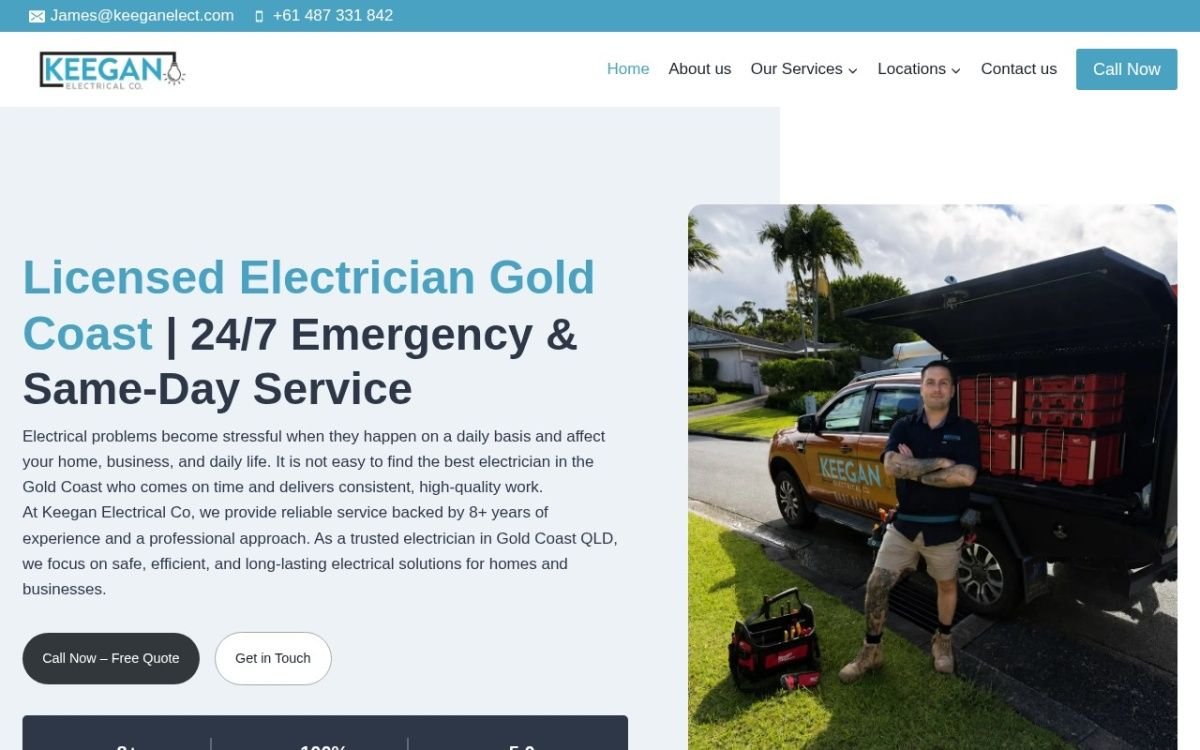 Keegan ElectricalElectrical contractorOpen the live site →
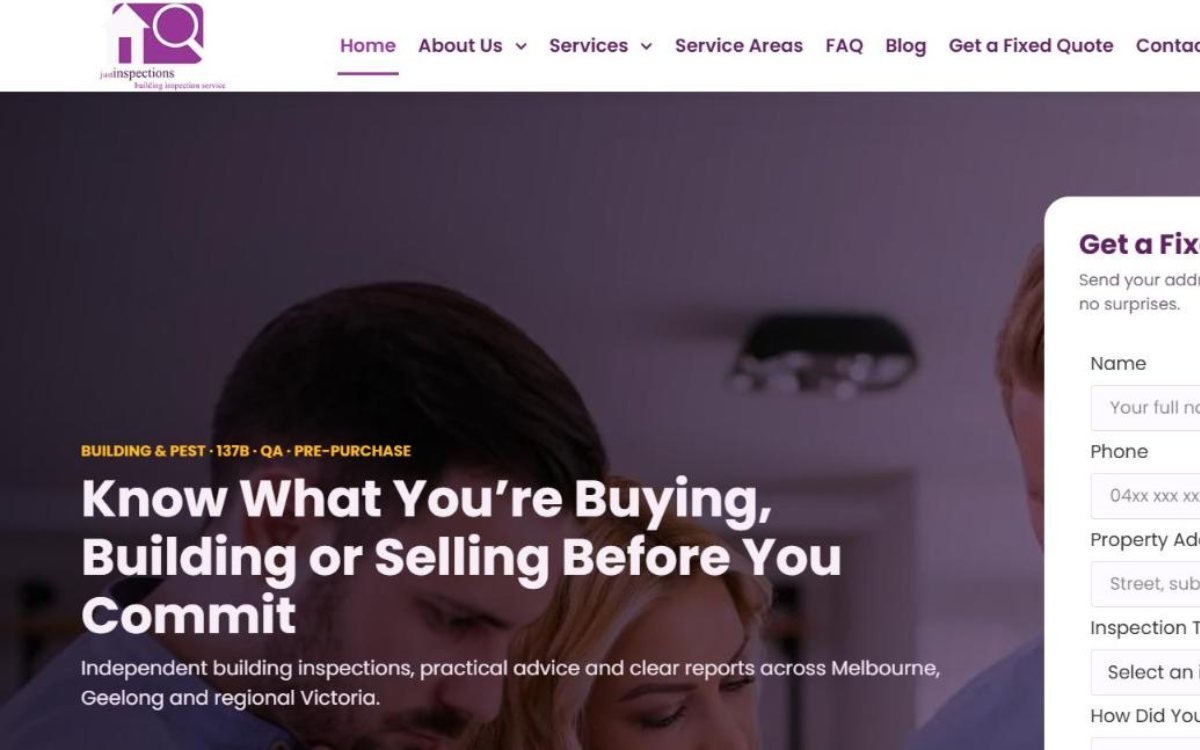 Just InspectionsBuilding inspectionsOpen the live site →
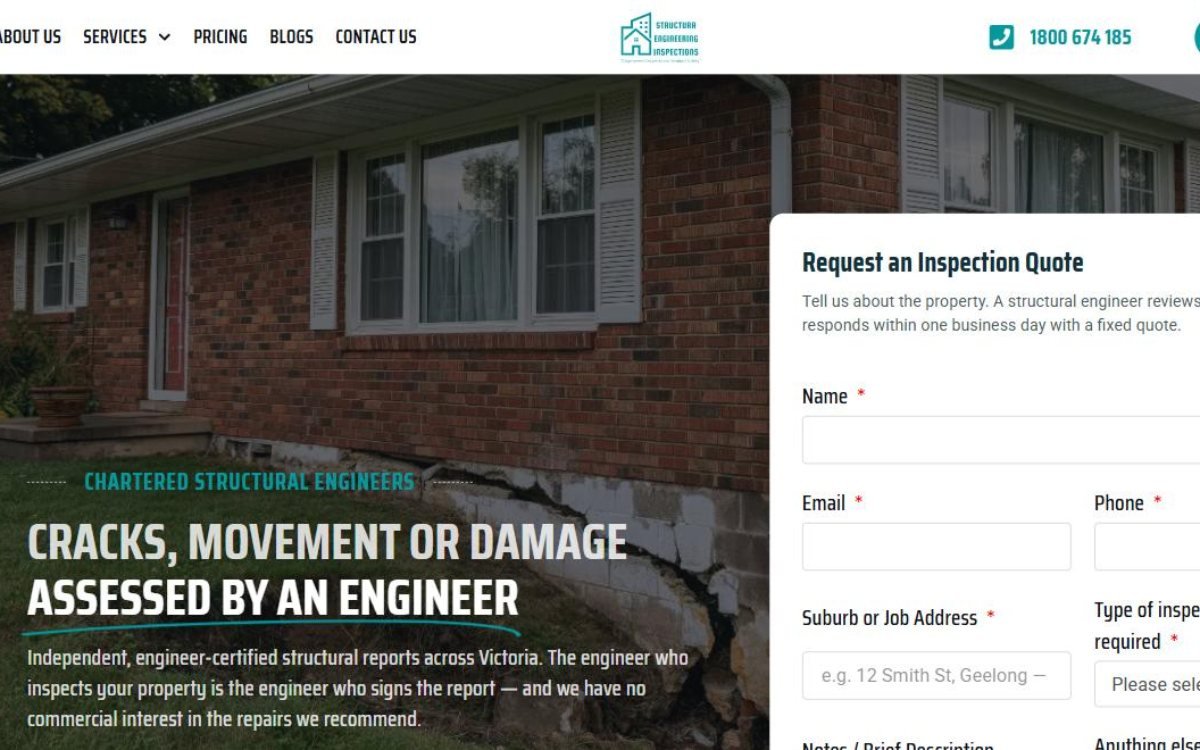 Structura EngineeringStructural engineersOpen the live site →
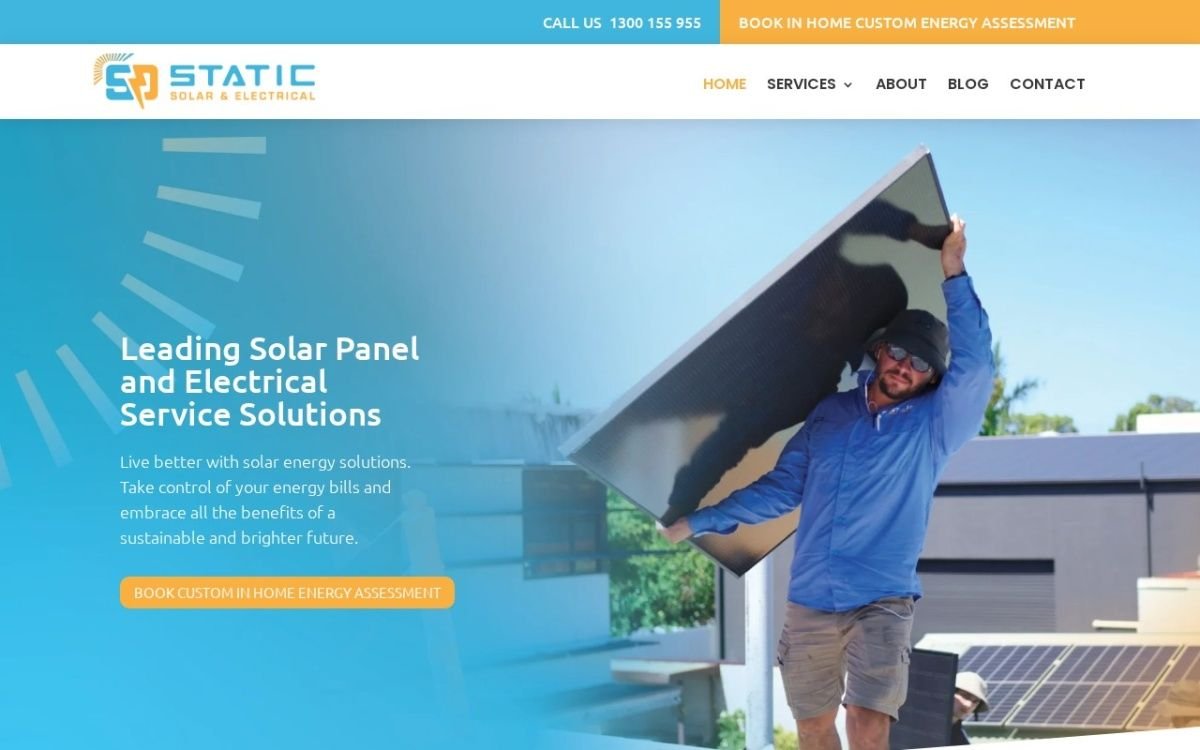 Static SolarSolar installationOpen the live site →
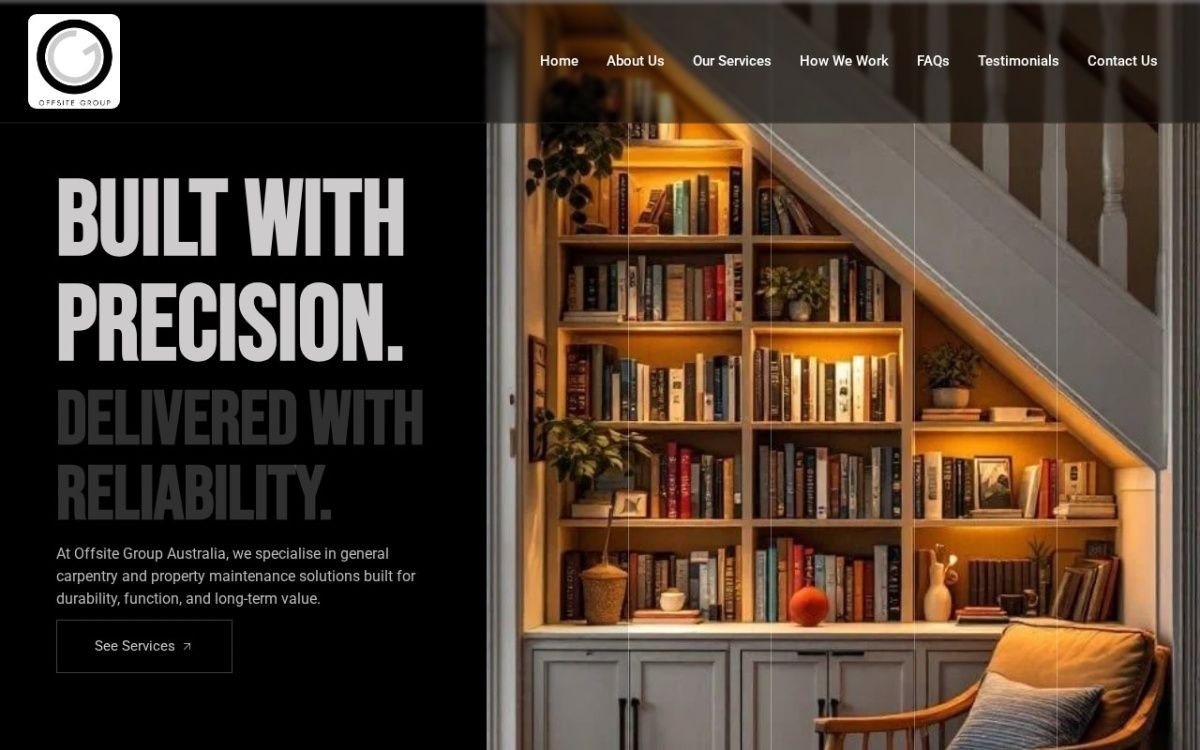 Offsite GroupConstructionOpen the live site →
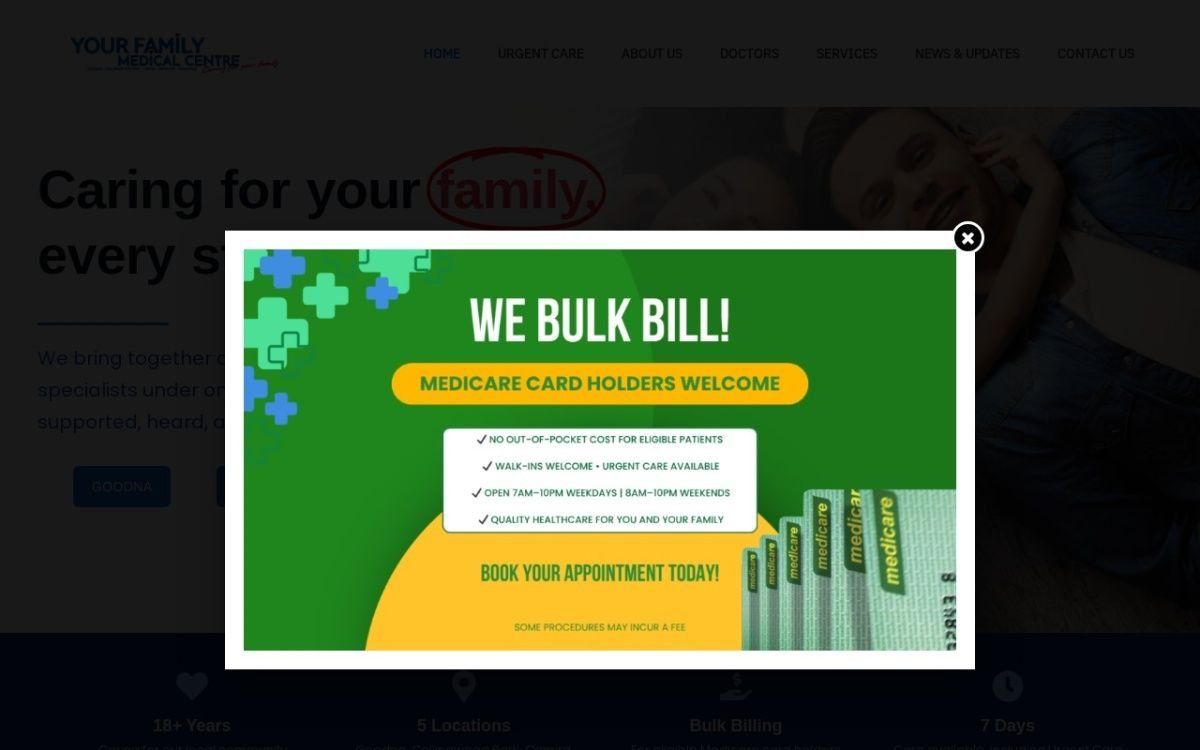 Your Family MedicalMedical practiceOpen the live site →
 Dr Bella MarkerHealthcare practitionerOpen the live site →
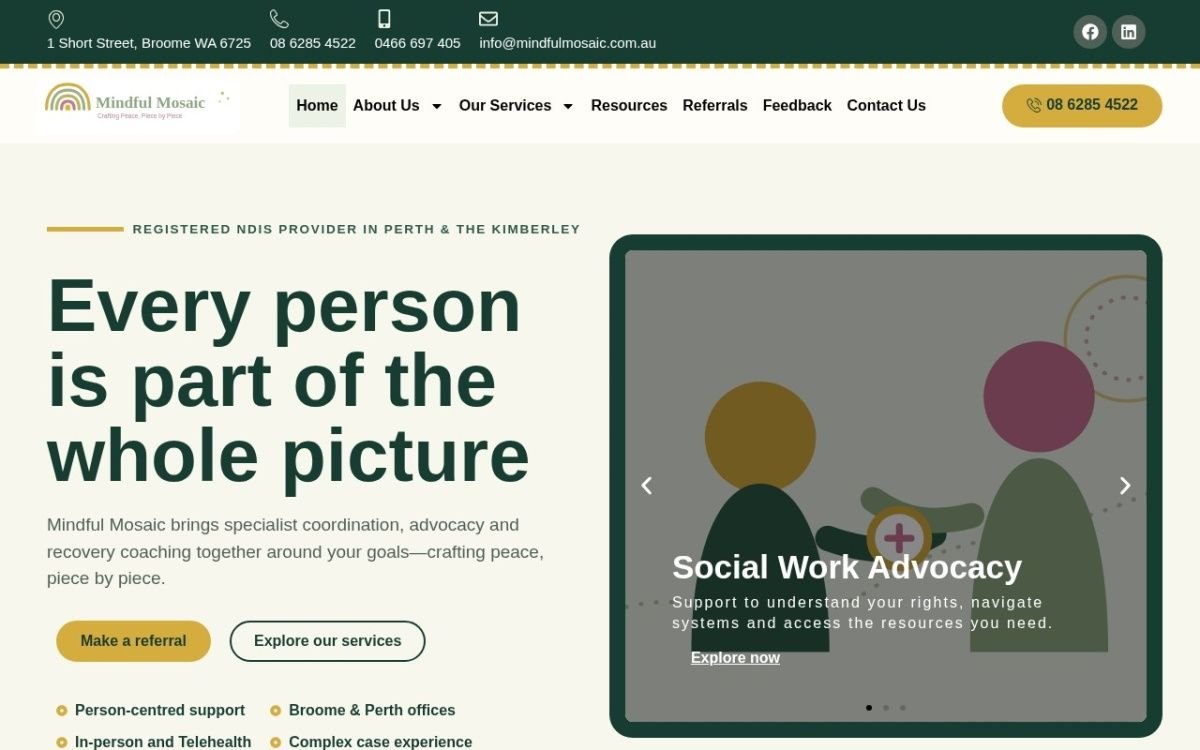 Mindful MosaicCounsellingOpen the live site →
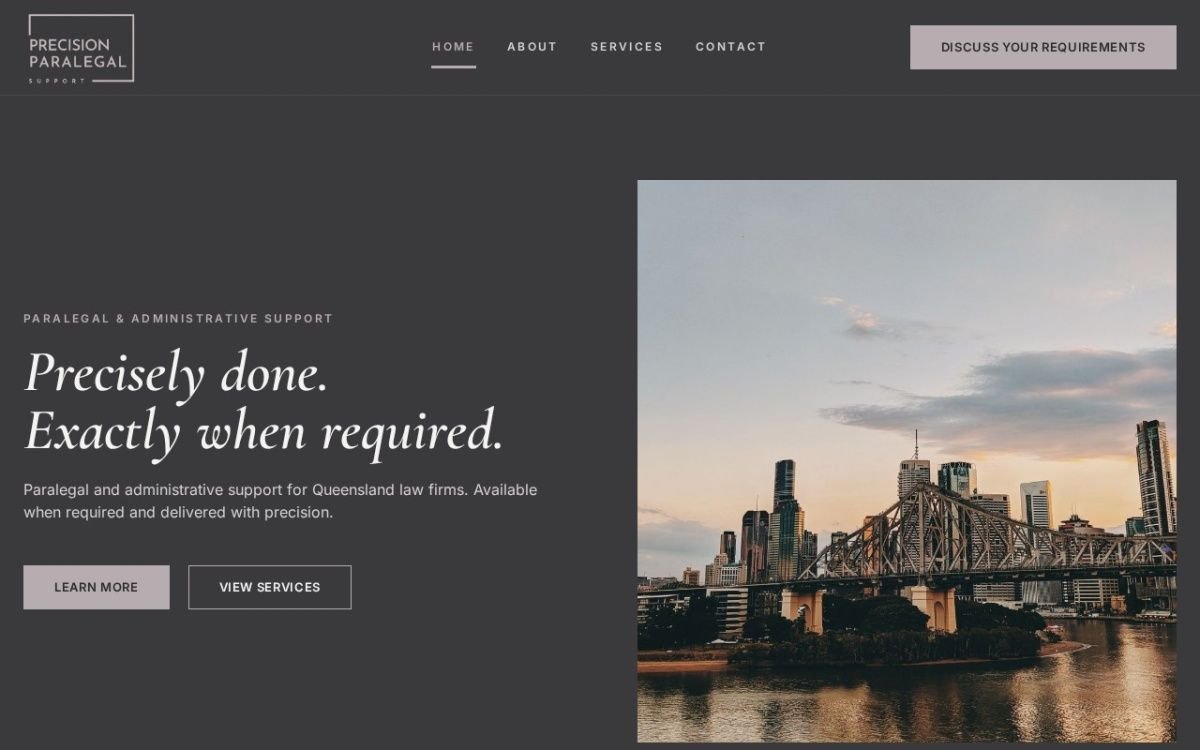 Precision Paralegal SupportLegal supportOpen the live site →
 Wealth Way CapitalFinanceOpen the live site →
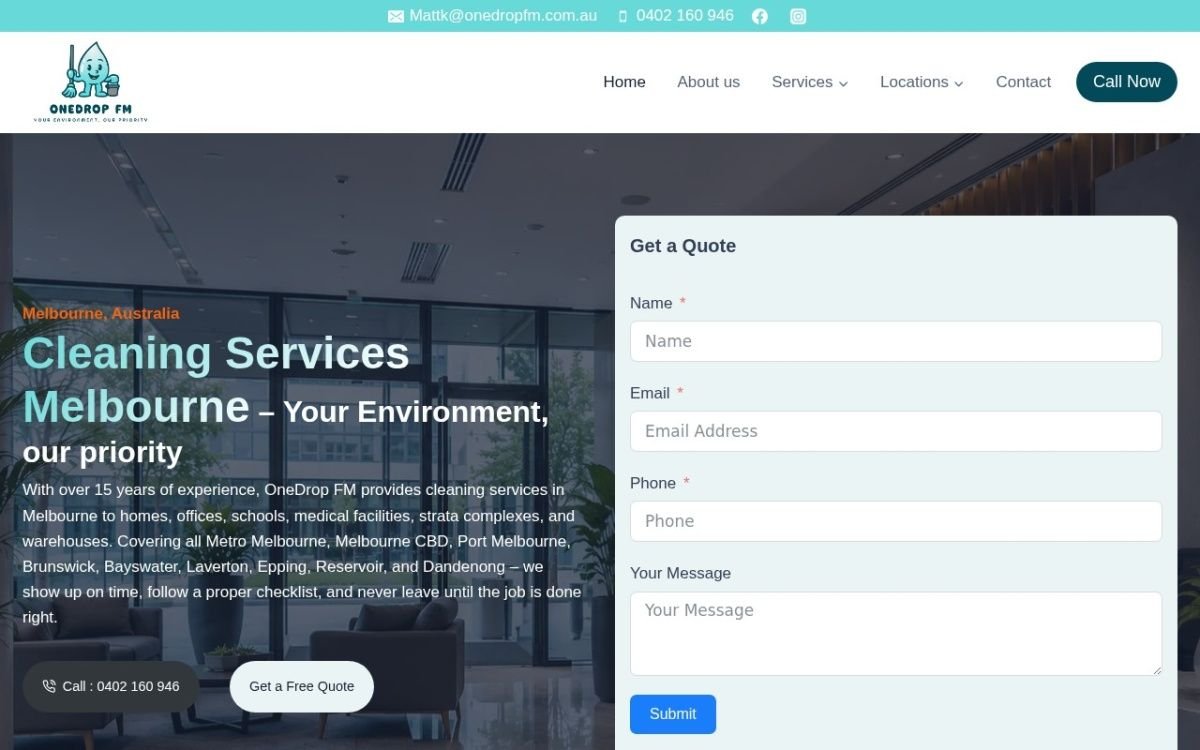 One Drop FMFacilities managementOpen the live site →
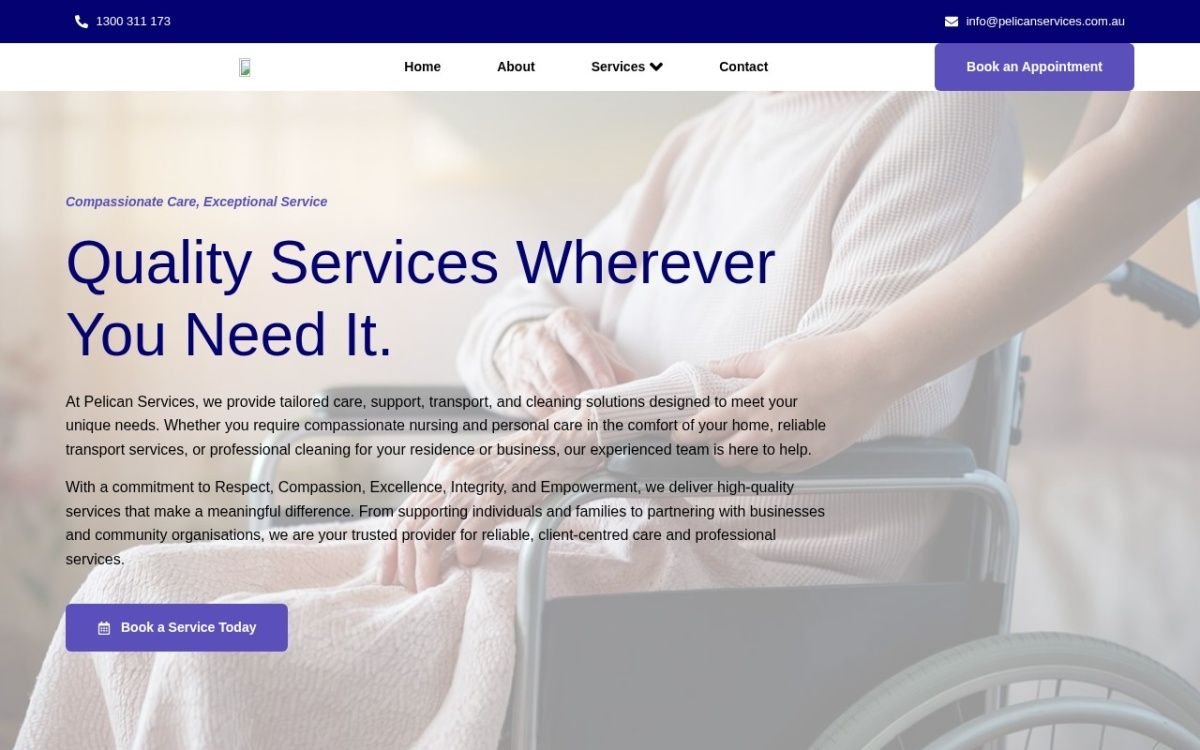 Pelican ServicesTrade servicesOpen the live site →
 Piano PickupSpecialist removalsOpen the live site →
 Moments by MRPhotographyOpen the live site →
 Jordan BS MediaMedia productionOpen the live site →
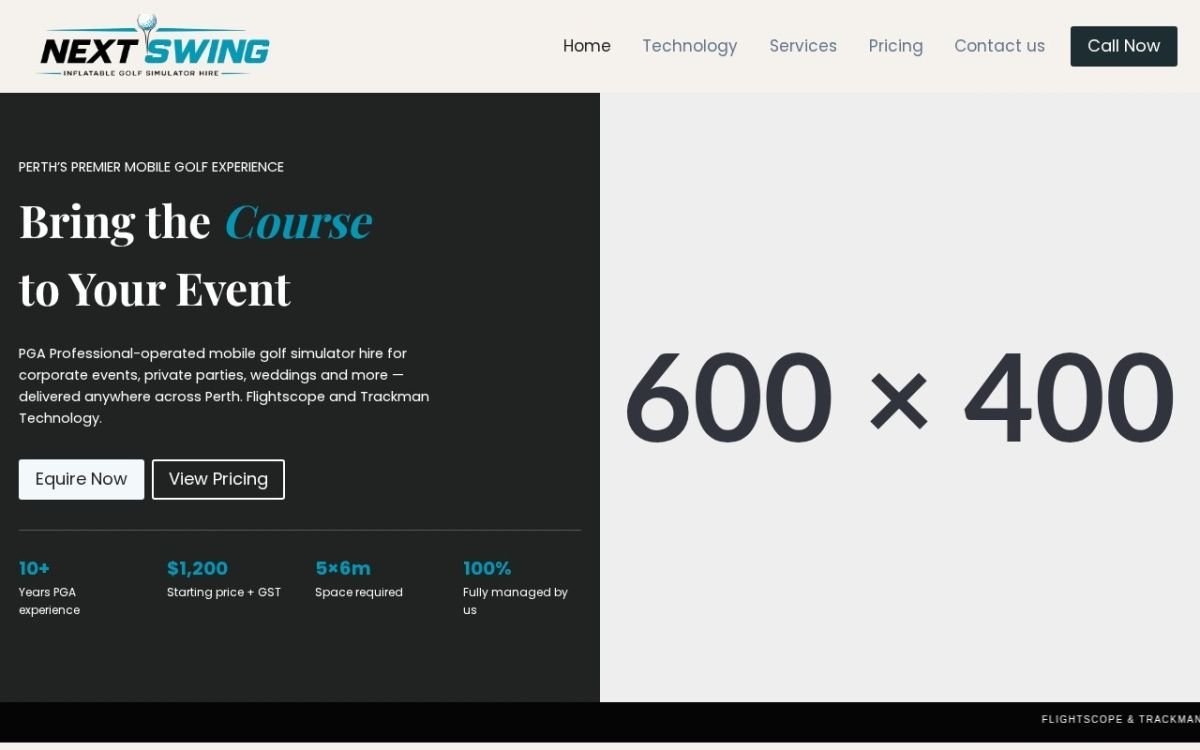 Next SwingSport and leisureOpen the live site →
 Dane ThornburghPersonal brandingOpen the live site →
Most of the work above sits with clients in Australia. We work with businesses across the UK on exactly the same basis, and you deal with the two of us either way.
It is the right fit when content and search traffic bring in your customers, when you need the checkout or pricing to behave in a way a template will not allow, or when commission on every order is eating a thin margin. It is the wrong fit when nobody on your side wants anything to do with updates and hosting, and there is no budget for someone to handle them.
On raw numbers it is the most used ecommerce platform on the web. Published estimates put its share of online stores somewhere between the low thirties and high thirties per cent depending on how the count is done, with Shopify around the high twenties. Share alone should not decide it for you. The running model should.
You already run WordPress and want the shop and the content in one place. You want no commission taken per sale. You need custom pricing, trade accounts, bookings or product options a template cannot handle. You want the freedom to move hosting whenever you like.
You want hosting, security patching and card compliance handled for you, with support available at midnight before a launch. You are happy to pay a monthly fee and work inside the platform rules. We build on hosted platforms too, and will tell you when that is the better answer for your situation.
Running costs differ more than build costs. Open source software is free, hosting and upkeep are not, and that gap is where most budgets get caught out.
Variations, bundles, categories and attributes structured so filtering works and adding the two hundredth product is no harder than the second.
Stripe, PayPal, Apple Pay and Google Pay configured and tested with live transactions before launch, plus Klarna or Clearpay where it suits your basket size.
UK VAT handled correctly, zero rated goods where they apply, and delivery priced by weight, zone or basket value rather than one flat guess.
Fewer fields, guest checkout kept, address lookup, clear delivery costs before the final step and no surprises that lose the sale at the last click.
Shops carry more weight than brochure sites. Caching, image compression and query tuning are part of the build, measured against Core Web Vitals rather than assumed.
Low stock alerts, backorder rules, order status emails in your brand voice and exports that suit whoever picks and packs.
Category pages written to rank, product schema in place and internal linking so the shop supports itself rather than relying on paid traffic.
Accounting, email marketing, delivery labels, marketplace feeds and Google Merchant Centre connected and tested.
A walkthrough call plus written notes, so adding products, running a sale or refunding an order is something your team does without ringing us.
This is usually why people come to us rather than buying a theme. If any of these describe your business, an off the shelf store will fight you.
Logged in trade customers see their own prices, minimum order quantities and payment terms, while the public shop stays as it is.
Price calculated from dimensions, materials or options chosen by the customer, with the correct figure carried into the basket.
Recurring billing, pause and skip, and a customer account area that does not generate a support call every month.
Time slots, staff availability and deposits handled in the same checkout as physical goods.
Till and website working from one stock figure, so the last item is not sold twice on a Saturday afternoon.
Thousands of variations with filtering that responds quickly, which is where most cheap builds fall over.
The software costs nothing. The build, the hosting and the upkeep do. A first WooCommerce shop starts at £350 plus VAT, and beyond that the price follows the catalogue and the features, so a larger or more involved store is quoted once we know what is needed. Published UK figures put entry level shop hosting in single figures per month and proper managed hosting for a busy store considerably higher, while UK WordPress developer time is commonly quoted between fifty and one hundred and fifty pounds an hour. Budget for maintenance from day one, because a shop that is not updated is a shop that eventually stops taking money.
Up to fifty products, standard variations, one payment gateway, delivery rules and full training. Suits a first online shop or a small catalogue.
Larger catalogue, filtering, multiple gateways, marketing integrations, category pages written for search and speed work included.
Trade pricing, configurators, subscriptions, bookings or stock integration. Scoped properly before a figure is given.
Ongoing costs you pay directly: hosting, domain, any premium extensions and card processing fees. No commission goes to us or to the platform.
Looking after the site afterwards starts at £25 a month. Updates, backups, monitoring and security, billed monthly with no minimum term.
See care plansBefore any design, we agree how products, variations, VAT, delivery and returns work. Getting this wrong is what forces expensive rework later.
Category and product page layouts planned around how people search for what you sell, not around a theme demo.
The shop is assembled on a private address with real product data, so you are testing your catalogue rather than sample items.
Live test transactions through every gateway, refunds checked, order emails checked, tax figures checked against your accountant expectations.
Redirects if you are moving from another platform, sitemap submitted, tracking connected, then thirty days of watching orders and errors.
Our owner is based in County Durham, so if you run a shop or a trade counter within reach of Durham City, Chester-le-Street or Newcastle, we can come to you and go through your stock and delivery setup in person. We take on work nationally either way.
The plugin is. Running a shop is not. You pay for hosting, a domain, any premium extensions you need and card processing. What you do not pay is a monthly platform fee or a percentage of every sale.
Six to ten weeks for most shops. The catalogue is usually what sets the pace. If product data, photography and delivery rules are ready, it moves quickly.
Yes, with the right hosting and a build that is planned for it. Large catalogues slow down because of how filtering and queries are set up, not because of the number of products.
Cards through Stripe, PayPal, Apple Pay and Google Pay as standard, with buy now pay later options available. All of them are tested with live transactions before you go live.
Yes. VAT rates, zero rated items and VAT inclusive display are configured for UK selling, and invoices can be set up to satisfy your accountant.
Products, categories, customers and past orders can be migrated from most platforms. Addresses are redirected so search results and any printed links keep working.
You can, or we can. A shop taking payments needs updates applied and backups tested regularly, so most clients take a maintenance plan rather than manage it themselves.
That depends on the build and the hosting, and it is measured rather than claimed. We record Core Web Vitals before launch and target Google thresholds of 2.5 seconds for Largest Contentful Paint and 0.1 for layout shift.
Yes. Product feeds can be sent to Google Merchant Centre and social channels, and marketplace feeds are set up where you sell through them.
You can. The site, the database and the customer list are yours. That is the main practical difference between owning your shop and renting one.
Product count, delivery rules, trade accounts, anything unusual about your pricing. We will tell you what the build involves, what it costs to run, and whether a hosted platform would serve you better.