
Your current site already holds rankings, backlinks and years of customer trust. We rebuild around all three, so the new site loads faster and turns more visitors into enquiries without giving up the ground you have gained.
Google publishes the thresholds a page must meet to count as a good experience. We record yours on the current site, then again on the new one, so the improvement is a figure you can check rather than a claim.
Largest Contentful Paint. How long the main content takes to appear.
Interaction to Next Paint. How quickly the page reacts when someone taps.
Cumulative Layout Shift. How much the page jumps about while loading.
Thresholds published by Google. Bars show the target zone, not a guaranteed result for any individual site.
Selected work
Trades, clinics, shops, transport firms and professional services. More than 800 projects globally since 2022, for businesses from one person trades to teams of fifty. Open any site below on your phone, see how fast it loads and how it reads. That is the standard your site gets.
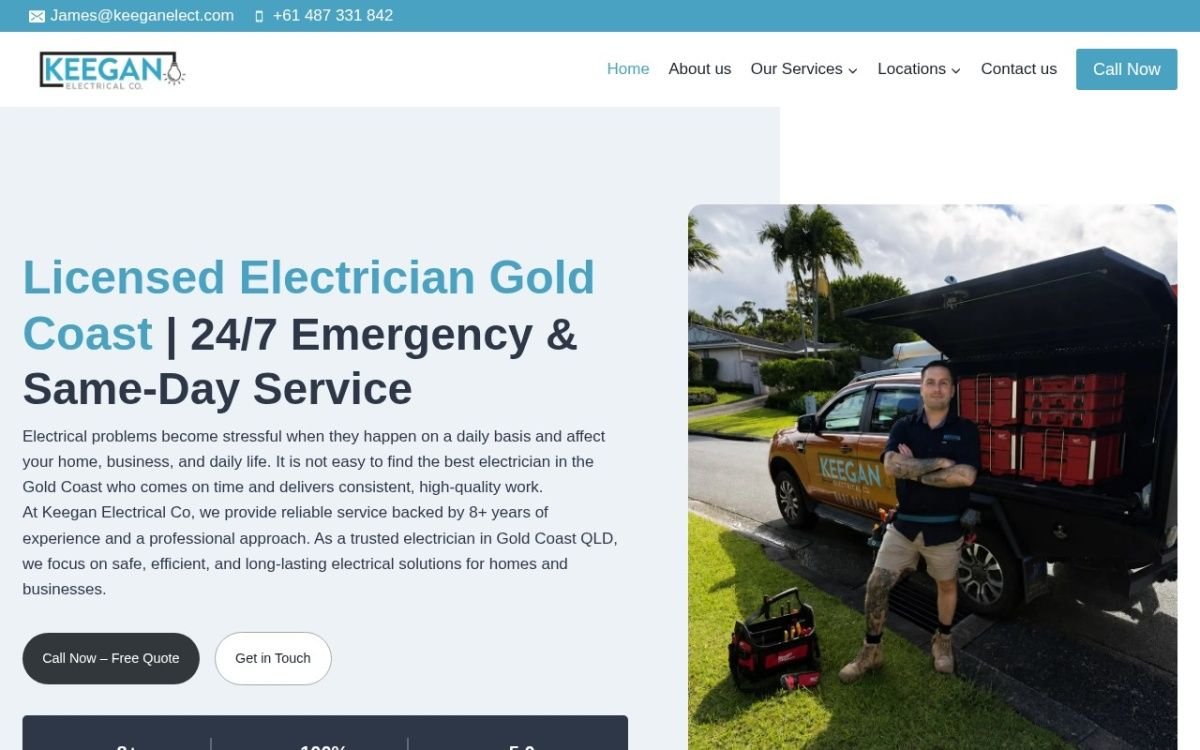 Keegan ElectricalElectrical contractorOpen the live site →
 Just InspectionsBuilding inspectionsOpen the live site →
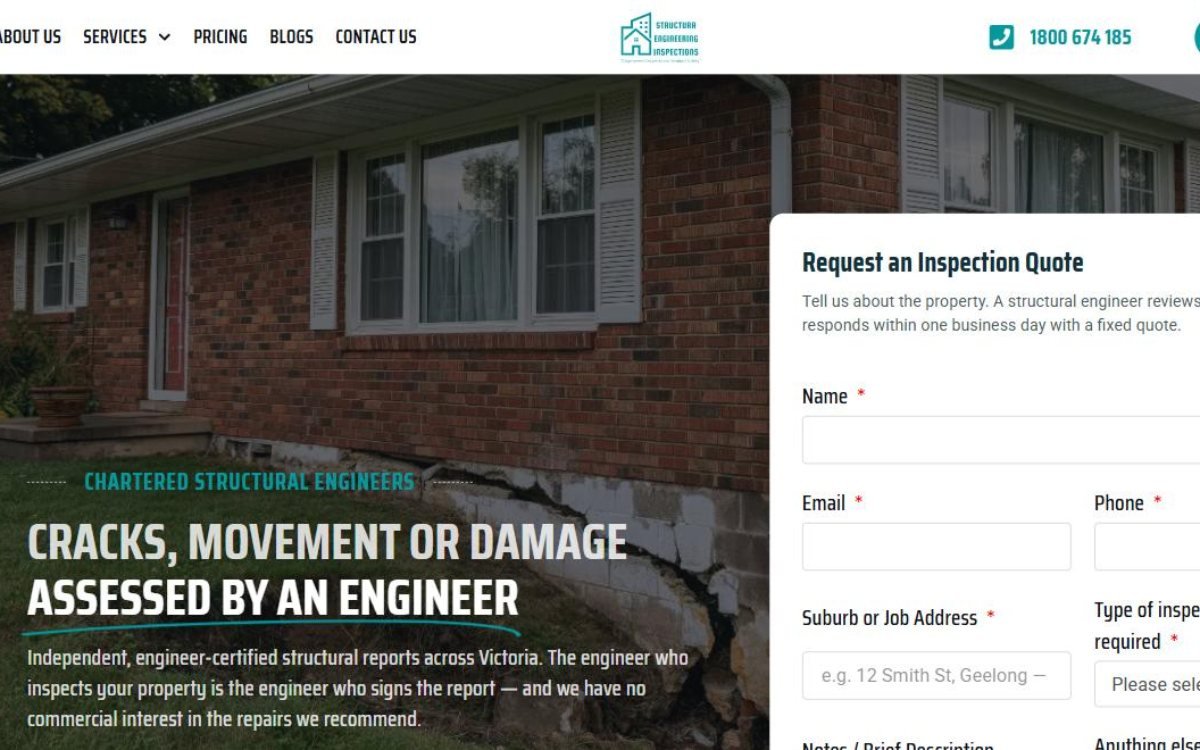 Structura EngineeringStructural engineersOpen the live site →
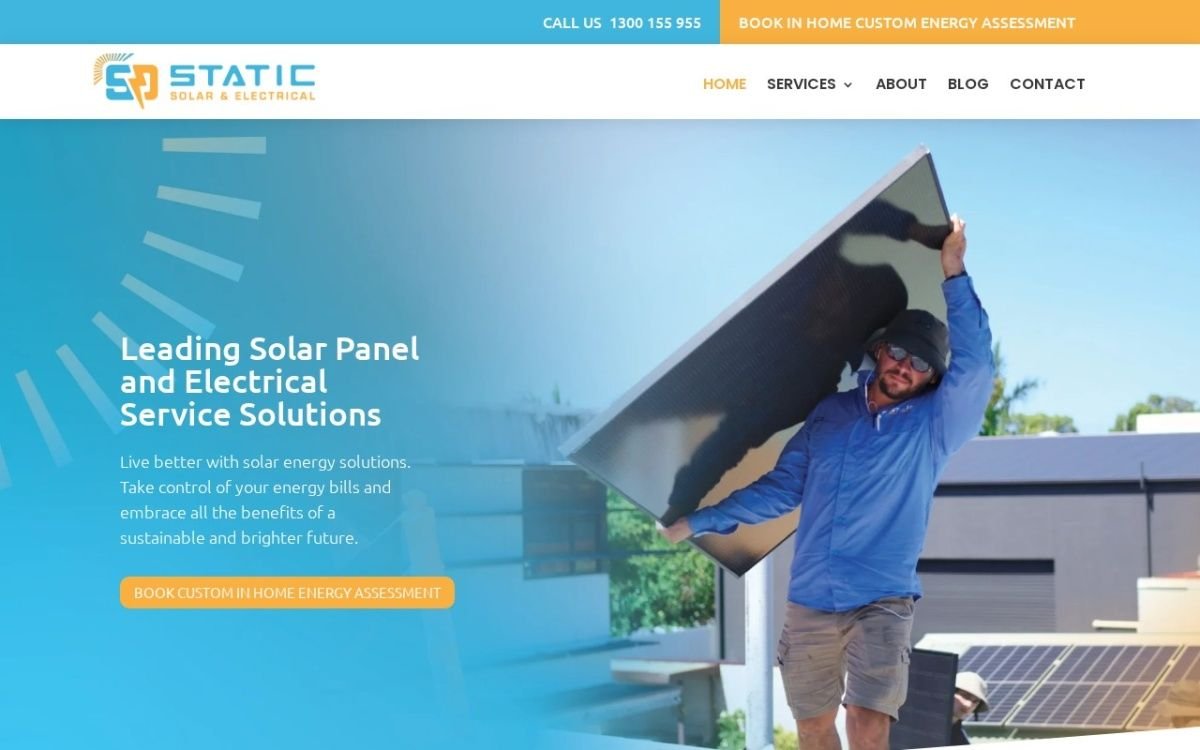 Static SolarSolar installationOpen the live site →
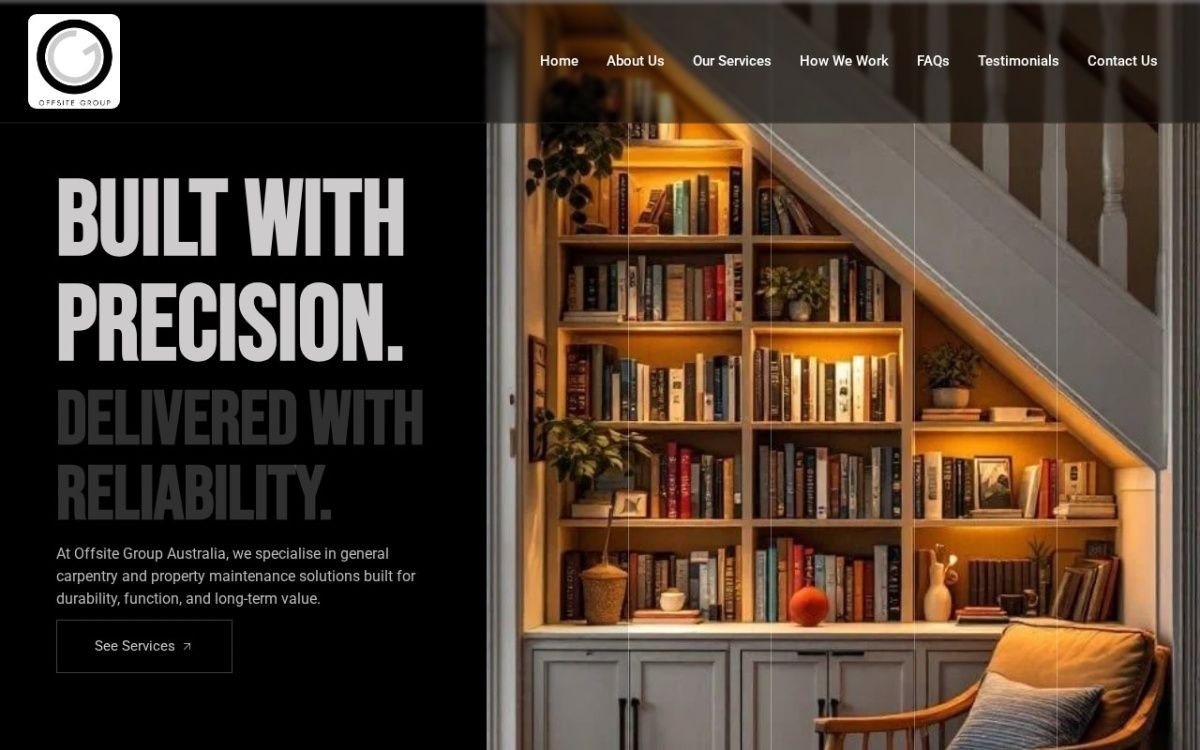 Offsite GroupConstructionOpen the live site →
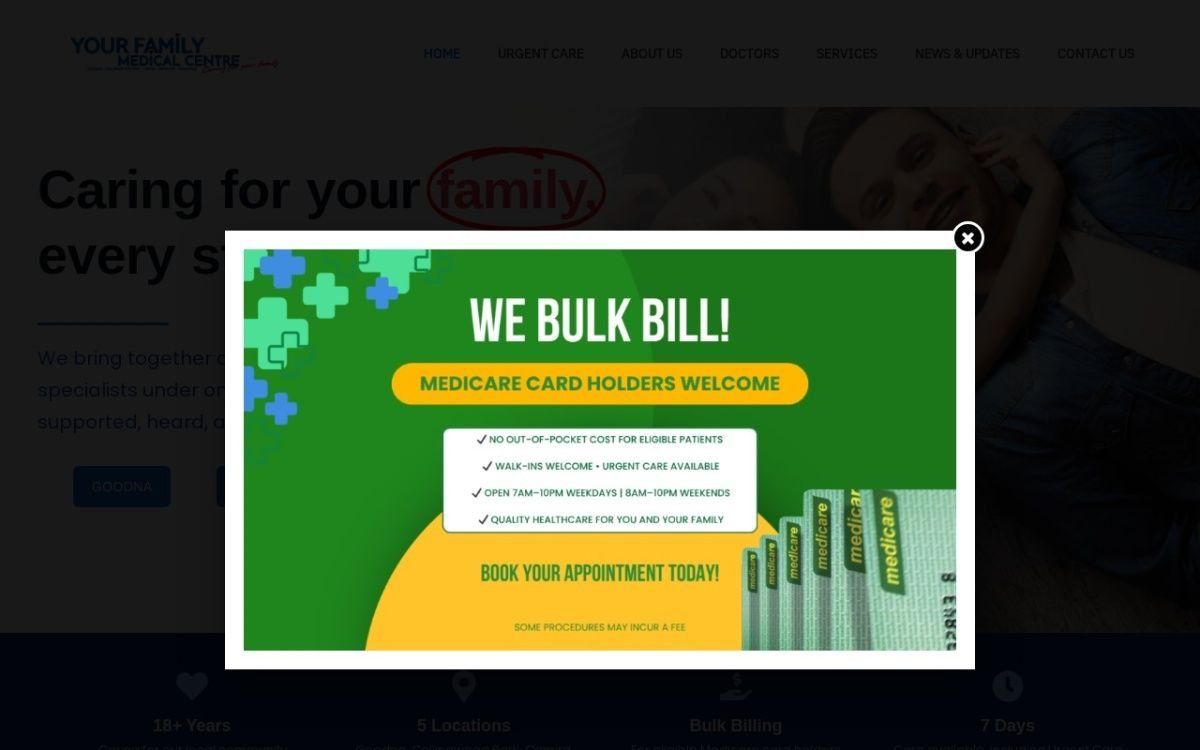 Your Family MedicalMedical practiceOpen the live site →
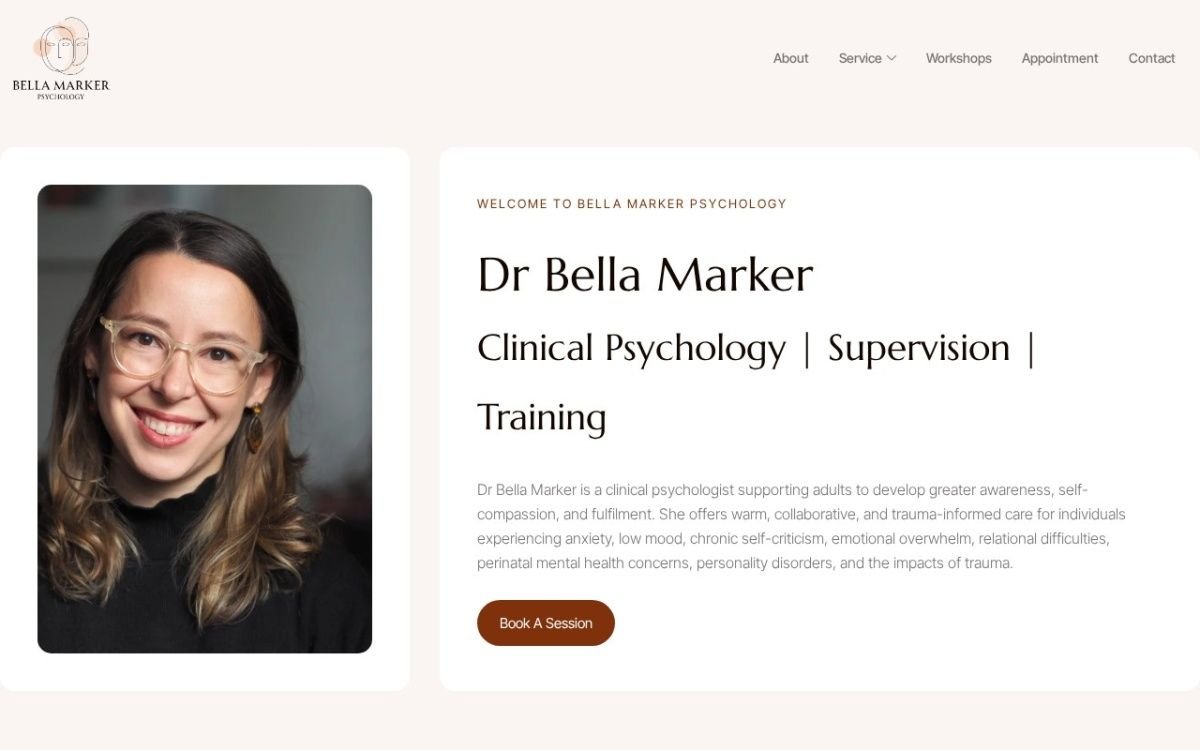 Dr Bella MarkerHealthcare practitionerOpen the live site →
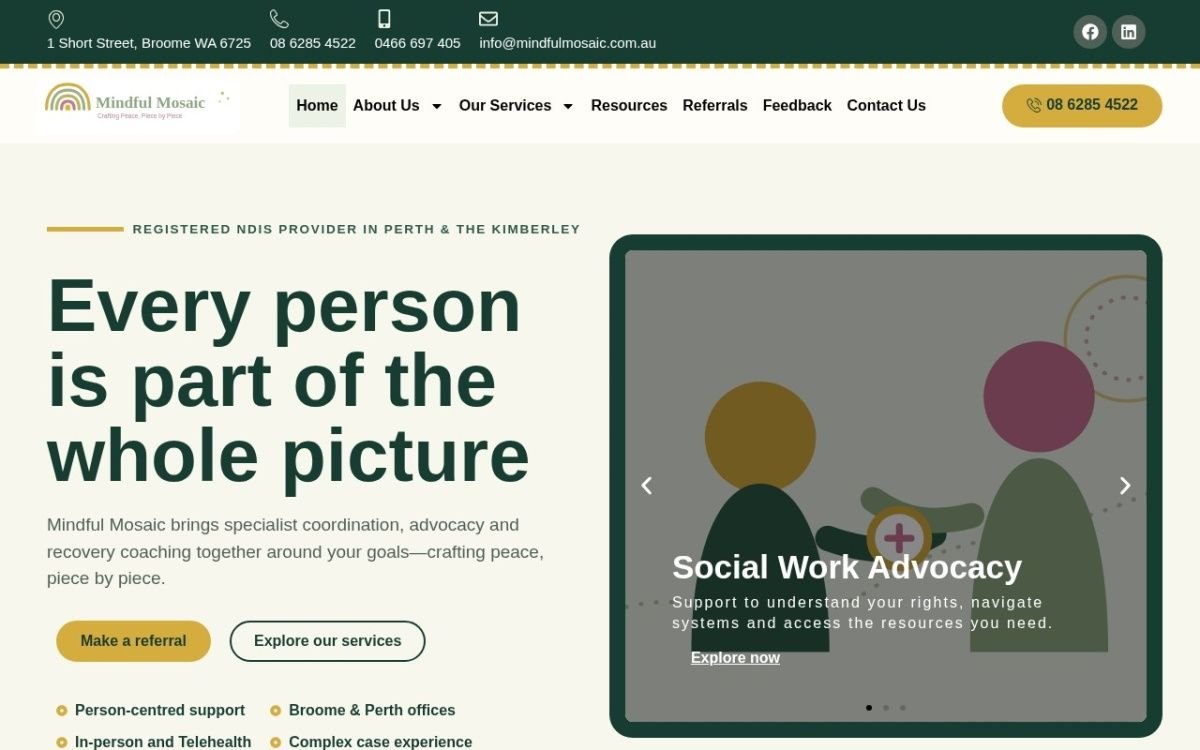 Mindful MosaicCounsellingOpen the live site →
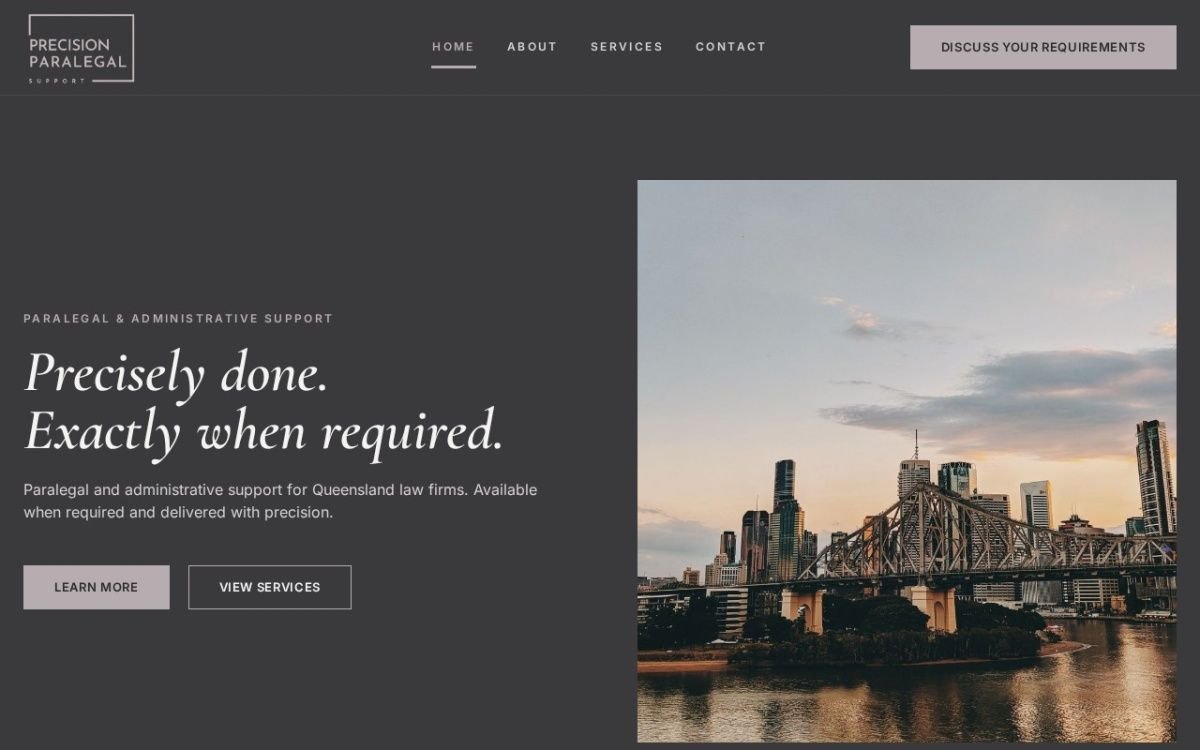 Precision Paralegal SupportLegal supportOpen the live site →
 Wealth Way CapitalFinanceOpen the live site →
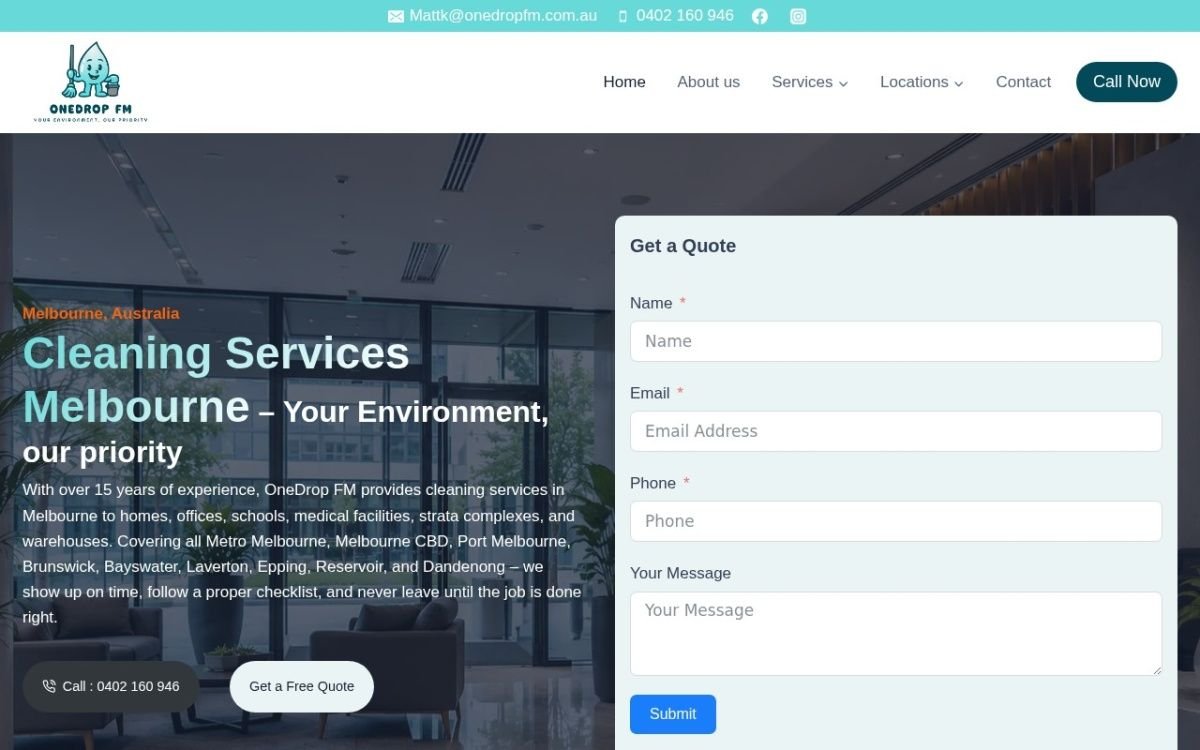 One Drop FMFacilities managementOpen the live site →
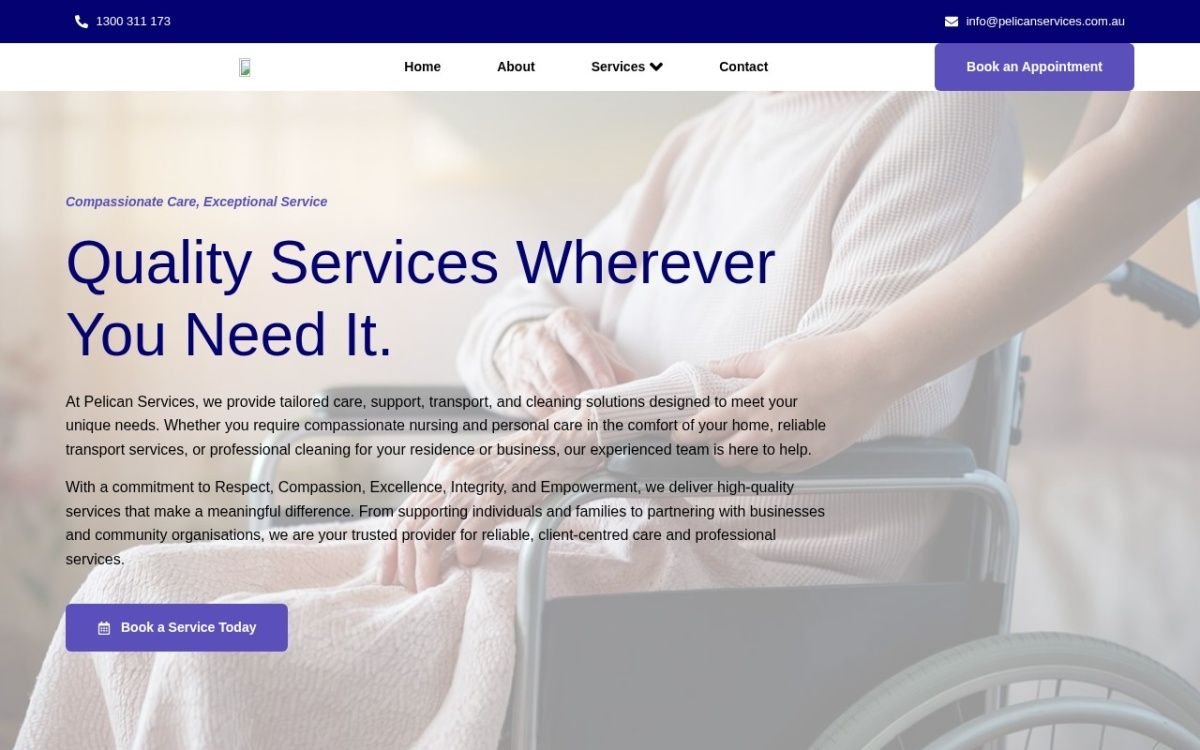 Pelican ServicesTrade servicesOpen the live site →
 Piano PickupSpecialist removalsOpen the live site →
 Moments by MRPhotographyOpen the live site →
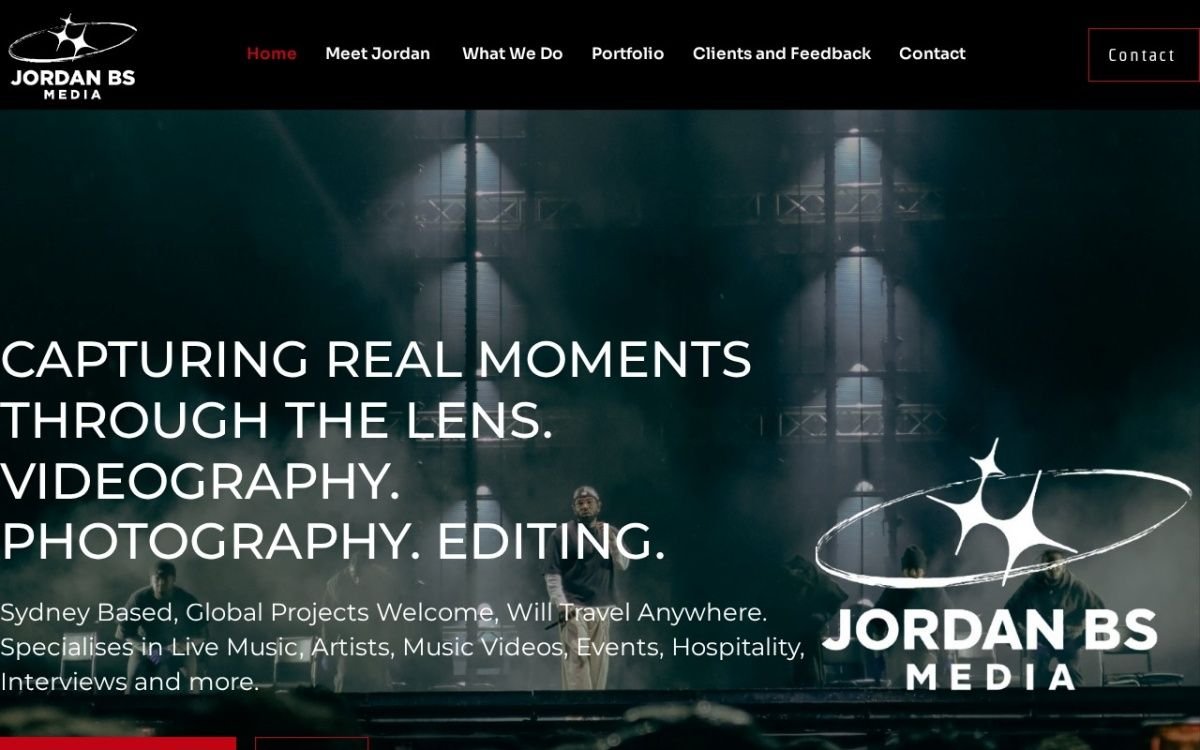 Jordan BS MediaMedia productionOpen the live site →
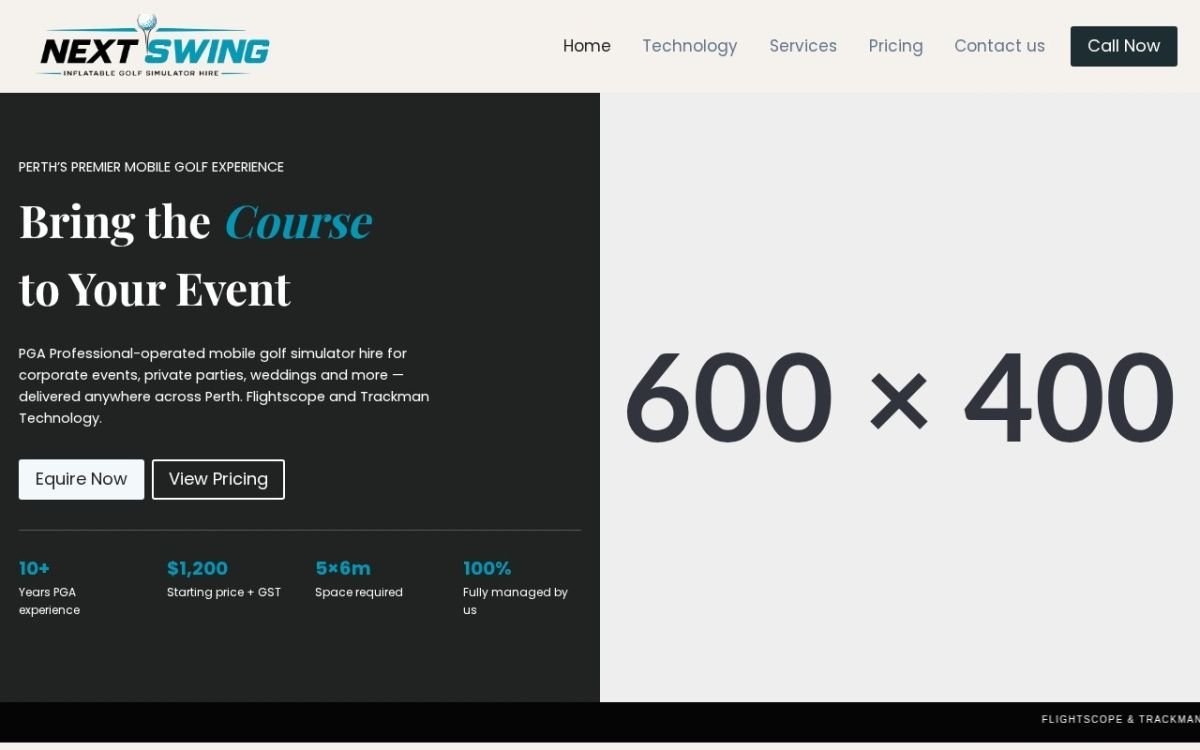 Next SwingSport and leisureOpen the live site →
 Dane ThornburghPersonal brandingOpen the live site →
Most of the work above sits with clients in Australia. We work with businesses across the UK on exactly the same basis, and you deal with the two of us either way.
Both are sold under the same label, and the price gap between them is wide. The honest answer depends on what is under the surface. We check the theme, the page builder, the plugin stack and the hosting before quoting, then tell you which one your site actually needs.
New layouts, clearer messaging, better mobile presentation and stronger calls to action on the site you already own. URLs stay put, so there is nothing to redirect and no ranking risk. This is the right route when the theme is well coded, the plugin list is short and the site still loads well on a phone.
A clean WordPress build with your content, images and page structure migrated across. This is the route when the current site is slow because of the theme itself, when plugins have been abandoned by their developers, or when nobody can edit a page without breaking the layout. Costs more up front and usually costs less to run.
A site does not need to be broken to be losing you money. These are the six signals we see most often when a business gets in touch.
Traffic held steady but enquiries fell. That gap is almost always a page structure and messaging problem, not a traffic problem.
Google treats a page as good when Largest Contentful Paint is under 2.5 seconds, Interaction to Next Paint is under 200 milliseconds and Cumulative Layout Shift stays under 0.1. Many older builds miss all three.
Text overlapping, buttons too small to tap, forms that will not submit on iPhone. Most visitors now arrive on a phone and leave from one.
If changing a price or adding a service means paying someone, the site is costing you every month it exists.
An abandoned theme or a plugin that has not been updated in two years is a security problem before it is a design problem.
New services, new pricing, new team, same site from 2019. Visitors judge how current you are from the page in front of them.
Core Web Vitals thresholds taken from Google Search Central documentation on page experience.
Not if the URLs are handled properly. Google states that permanent redirects do not cause a loss of ranking signals when a site moves to new addresses. Traffic drops happen for a different reason: old pages get deleted with nothing pointing to a replacement, or a page that earned its position on 900 words of detail is replaced by a headline and a photo. The redirect protects the path. The new page still has to earn the position.
Every live address is recorded before anything changes, along with the pages that bring in traffic and the ones nobody has visited in a year.
The safest redirect is the one you never need. Existing URLs stay unchanged unless there is a real structural reason to move them.
Where an address does have to change, it is mapped to the closest matching new page using a 301, in a single hop. No chains, no blanket redirect to the homepage.
Pages that rank get rewritten and improved, never cut down to fit a nicer layout.
Menus, buttons and in page links point at the final address directly, and a fresh XML sitemap goes out with the launch.
The new site is built and tested on a private address, then switched over once it passes. Your live site keeps trading throughout.
Search Console is watched after launch for crawl errors, missing pages and index coverage, and anything that surfaces gets fixed as part of the project.
Redirect guidance follows Google Search Central: Site moves with URL changes.
Four to six weeks is typical for a small business site. Larger sites with many page templates take longer, and we say so before you commit rather than halfway through.
Crawl, analytics review, competitor check, page map and redirect plan agreed in writing.
Page by page wireframes and written content, so the design is built around the message rather than the other way round.
Homepage signed off first, then the remaining templates built on staging with editable Elementor sections throughout.
Speed, forms, mobile, redirects and analytics all checked, then the switch, then thirty days of watching the numbers.
Existing pages audited, rewritten where they underperform, and arranged so visitors reach the enquiry form in fewer clicks.
Every template checked on phone, tablet and desktop widths before it goes live, not patched afterwards.
Image compression, script cleanup and caching set up as part of the build, measured against Core Web Vitals rather than a vanity score.
301 map, XML sitemap, robots file, HTTPS and Search Console verification handled on launch day.
Working enquiry forms with spam protection, plus analytics so you can see which pages produce the calls.
Built with native sections you can change yourself. Training call included so you are not dependent on us for a price update.
Readable contrast, keyboard navigation, proper heading order and image alt text as standard.
Full backup before the switch, plus login details, documentation and file ownership in your name.
Thirty days of support after launch, with an optional maintenance plan if you would rather not manage updates yourself.
Published UK agency guides put a small business refresh in the region of £1,500 to £4,000, with multi template and ecommerce projects running well beyond that. The spread is wide because a five page brochure site and a fifty page service site are different jobs. We quote on page count, templates and functionality, and the figure we give you at the start is the figure you pay.
Existing build kept. New layouts, new copy on key pages, mobile fixes and speed work. No URL changes.
New WordPress build, content migrated, redirect map, forms, tracking and training. Most small business projects sit here.
Many templates, WooCommerce, integrations or a platform move. Scoped and quoted after the audit.
Every redesign is priced after a free audit and fixed in writing before work starts. Payment is staged across the project. No monthly lock in, and the site belongs to you from launch.
Looking after the site afterwards starts at £25 a month. Updates, backups, monitoring and security, billed monthly with no minimum term.
See care plansOur owner is based in County Durham, so a site meeting in Durham City, Chester-le-Street or Newcastle is a short drive rather than a video call. We take on work nationally, and we are happy to sit down with you in person when you are local.
Four to six weeks is normal for a small business site of eight to fifteen pages. The two things that stretch it are waiting on content from your side and adding pages after the plan is agreed. We give you a date at the start and tell you straight away if anything moves it.
Yes. The new site is built on a private staging address while your current one keeps taking enquiries. The switch happens in one go, usually outside working hours, and takes minutes.
All of it stays yours. The domain does not need to move, business email is untouched, and every image and page of text is carried across. Ownership of the finished site sits with you, not with us.
That becomes a platform move as well as a rebuild. We export what can be exported, rebuild the rest in WordPress, and map every old address to the new one so search results keep working.
If the theme is sound and the plugin list is short, patching is cheaper and we will say so. If the site is slow because of how it was built, money spent working around that is money spent twice.
It should be, and we measure it rather than claim it. We record Core Web Vitals before and after, and the build targets Google published thresholds of 2.5 seconds for Largest Contentful Paint, 200 milliseconds for Interaction to Next Paint and 0.1 for Cumulative Layout Shift.
We do, unless you would rather write it yourself. Copy is drafted from your existing pages, your sales calls and the questions your customers actually ask, then sent to you for approval before design starts.
Yes. Everything is built with native Elementor sections, and the handover includes a walkthrough call plus written notes. Changing a price, adding a service or swapping a photo takes a few minutes.
Most business sites need meaningful work every two to four years. That is less about fashion and more about browsers, phone screens, and the way people search changing underneath you.
We watch Search Console for thirty days and fix anything that surfaces at no extra cost. Redirect problems are the usual cause and they are quick to correct when caught early.
Most projects touch more than one of these. You are not obliged to take any of them, and we will tell you when you do not need one.
No obligation and no sales script. We look at speed, mobile, structure and what is holding the enquiries back, then give you an honest answer on whether a refresh will do the job or whether it is worth rebuilding.